
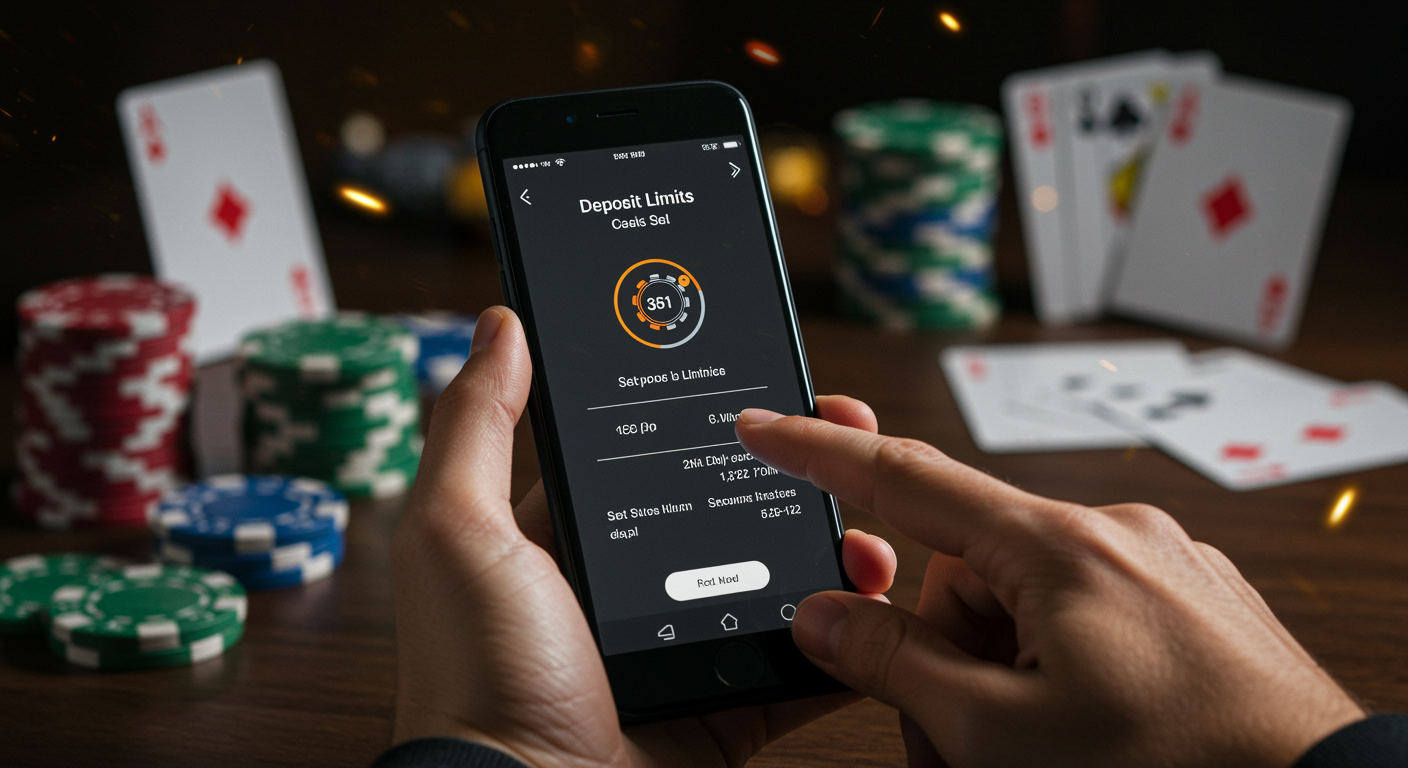
Deposit limits have emerged as a cornerstone of responsible gambling initiatives in South Africa, serving as a crucial safeguard against financial harm for players across both online and land-based casino platforms. As gambling participation continues to grow throughout the country, these regulatory mechanisms provide essential protection by establishing predetermined spending boundaries that prevent impulsive decision-making and excessive wagering.
Recent trends in South African gambling behavior highlight alarming patterns of overspending, with studies indicating that problem gambling affects approximately 2.3% of the adult population. The implementation of enforced deposit limits has proven instrumental in curbing these risks, creating structured barriers that protect vulnerable players while maintaining the entertainment value of gambling activities for recreational users.
Deposit Limits: Core Mechanism and Regulation in SA
South African gambling legislation mandates comprehensive deposit limit frameworks that apply across all licensed casino operations. The National Gambling Board oversees these regulations, ensuring that both provincial gambling boards and individual operators implement consistent protection measures for players.
These regulatory frameworks distinguish between different types of gambling venues, with online platforms subject to more stringent monitoring requirements due to their accessibility and potential for continuous play. Land-based casinos must implement limits through player tracking systems and identification verification processes.
The enforcement mechanisms include mandatory cooling-off periods for limit increases, permanent records of player-requested restrictions, and cross-platform data sharing to prevent circumvention through multiple accounts or venues.
Provincial gambling boards maintain oversight of compliance through regular audits and mystery shopping programs, ensuring that operators adhere to both the spirit and letter of responsible gambling legislation.
| Type of Limit | Time Frame | Implementation | Platform Coverage |
|---|---|---|---|
| Daily Deposit Cap | 24-hour rolling period | Automated system blocks | All licensed venues |
| Weekly Deposit Limit | 7-day cycle | Real-time monitoring | Online and land-based |
| Monthly Spending Cap | Calendar month | Cross-platform tracking | Provincial network |
| Session Time Limits | Per gambling session | Automatic logout | Online platforms primarily |
| Loss Limits | Variable periods | Account suspension | All regulated operators |
Comparison: SA vs. International Approaches
South Africa’s deposit limit regulations demonstrate both similarities and notable differences when compared to international gambling jurisdictions. While many countries have adopted mandatory limit systems, the specific implementation and enforcement mechanisms vary significantly based on local gambling culture and regulatory philosophy.
European Union countries typically implement more restrictive baseline limits, with some jurisdictions like Germany imposing €1,000 monthly caps across all operators. In contrast, South African regulations focus more on player choice and self-determination, allowing higher limits but requiring enhanced verification and cooling-off periods.
The effectiveness of different approaches becomes apparent when examining player behavior outcomes and problem gambling rates across jurisdictions, with South Africa’s flexible framework showing promising results in balancing player autonomy with protection measures.
| Jurisdiction | Deposit Cap | Self-adjust | Regulatory Body | Player Impact |
|---|---|---|---|---|
| South Africa | Flexible with verification | 24-48 hour delay | National Gambling Board | Moderate restriction |
| Germany | €1,000 monthly cap | No increases allowed | State authorities | High restriction |
| United Kingdom | Operator discretion | Immediate for decreases | UKGC | Low restriction |
| Sweden | SEK 5,000 weekly | 72-hour cooling off | Spelinspektionen | Moderate restriction |
Deposit Limits Enforcement Process
Casino operators in South Africa employ sophisticated technological systems to enforce deposit limits, utilizing real-time monitoring software that tracks player deposits across multiple payment methods and time periods. These systems automatically prevent transactions that would exceed established limits, while maintaining detailed logs for regulatory compliance and player dispute resolution.
When players request limit adjustments, casinos must follow strict protocols including identity verification, financial capability assessments for increases above certain thresholds, and mandatory waiting periods that allow players to reconsider their decisions. The process includes email confirmations, SMS notifications, and in some cases, telephone verification to ensure the authenticity of limit change requests.
How Deposit Limits Protect Against Overspending
Deposit limits function as financial guardrails that create structured barriers between players and potential gambling harm. These mechanisms operate through multiple pathways, combining technological enforcement with psychological interventions that promote conscious decision-making and spending awareness.
The protective effects extend beyond simple spending caps, influencing player behavior through forced reflection periods and reduced accessibility to funds during emotionally charged gambling sessions. Research indicates that players subject to deposit limits demonstrate improved budgeting behaviors and reduced instances of chasing losses.
Behavioral economists have identified that deposit limits exploit cognitive biases in positive ways, using the same psychological principles that can lead to problem gambling to instead promote responsible behavior. The mere presence of limits creates mental anchoring effects that help players establish reasonable spending boundaries.
Long-term studies of South African players subject to deposit limits show sustained improvements in financial management and reduced gambling-related debt, suggesting that these tools provide lasting behavioral modifications rather than temporary inconveniences.
- Automatic spending interruption: Systems halt deposit attempts that exceed predetermined limits, forcing players to pause and reconsider their financial commitments before continuing play.
- Enhanced budget awareness: Regular limit notifications and spending summaries increase player consciousness of their gambling expenditures relative to their overall financial situation.
- Emotional regulation support: Cooling-off periods built into limit adjustment processes provide time for emotional states to stabilize, reducing impulsive financial decisions during losing streaks.
- Cross-platform protection: Integrated limit systems prevent players from circumventing restrictions by switching between different gambling venues or payment methods.
- Graduated intervention escalation: Limit systems trigger increasingly significant interventions as spending approaches dangerous levels, including account reviews and counseling referrals.
- Financial accountability reinforcement: Regular spending reports and limit utilization summaries help players maintain awareness of their gambling habits and financial priorities.
Practical Effects on Player Behavior
The implementation of deposit limits creates observable changes in player gambling patterns, with most users adapting their behavior within the first few weeks of limit activation. Players typically develop more strategic approaches to gambling, planning their entertainment spending more carefully and engaging with games more thoughtfully.
Studies of South African casino patrons reveal that deposit limits reduce session frequency while maintaining or even increasing player satisfaction levels, suggesting that constraints enhance rather than diminish the gambling experience for many users. The psychological relief of having external controls in place allows players to enjoy gambling without constant anxiety about overspending.
Long-term behavioral tracking shows that players with active deposit limits demonstrate improved financial literacy and budgeting skills that extend beyond their gambling activities, indicating broader positive lifestyle changes resulting from responsible gambling tool usage.
- Initial limit setting: Players establish conservative spending boundaries based on their disposable income, often setting limits 20-30% below what they initially consider affordable to create additional safety margins.
- Spending pattern adjustment: Gambling frequency decreases while session planning increases, with players becoming more selective about when and how they engage with casino games and developing pre-planned gambling budgets.
- Enhanced game selection: Players gravitate toward games with better odds and lower volatility, making more informed choices about risk levels and expected returns rather than chasing high-variance opportunities.
- Improved financial awareness: Regular interaction with limit systems increases overall financial consciousness, leading to better budgeting habits and increased attention to spending patterns across all life areas.
- Sustainable gambling habits: Long-term players develop consistent, controlled gambling routines that integrate seamlessly with their overall financial management and lifestyle choices, maintaining entertainment value without financial stress.
Low Minimum Deposits: Accessibility vs. Risk
The relationship between minimum deposit requirements and player protection presents a complex balancing act for South African gambling regulators and operators. Low minimum deposits serve important accessibility functions, allowing players from diverse economic backgrounds to participate in gambling entertainment without significant financial barriers.
However, these same low thresholds can facilitate problematic gambling patterns by making it easy for players to make frequent small deposits that cumulatively result in significant spending. The psychology of small transactions can mask the true cost of gambling engagement, leading to budget oversights and financial strain.
South African operators have increasingly adopted sophisticated deposit tracking systems that monitor cumulative spending patterns regardless of individual transaction sizes. These systems alert players when their collective small deposits approach concerning levels, providing warnings before financial harm occurs.
Regulatory frameworks now emphasize transaction pattern analysis rather than focusing solely on individual deposit amounts, recognizing that protecting players requires understanding their overall gambling behavior rather than isolated financial decisions.
The challenge of balancing accessibility with protection has led to innovative approaches including graduated verification requirements, enhanced monitoring for high-frequency depositors, and educational interventions that help players understand the cumulative impact of small, repeated transactions.
| Deposit Level | Player Type | Key Benefit | Risk Element |
|---|---|---|---|
| R50-R100 | Entry-level recreational | Low barrier accessibility | Frequent micro-deposits |
| R200-R500 | Casual regular players | Reasonable session funding | Weekly spending escalation |
| R1000-R2000 | Experienced enthusiasts | Extended play sessions | Single-session losses |
| R5000+ | High-value players | Premium game access | Rapid financial escalation |
| Variable/Dynamic | Algorithm-matched users | Personalized risk management | System manipulation potential |
Popular Payment Methods for Deposit Control
South African players increasingly favor payment methods that provide inherent spending controls and transaction monitoring capabilities. Digital wallets and prepaid cards have gained popularity specifically because they allow players to pre-allocate gambling funds and prevent impulsive overspending through credit-based payment systems.
Banking integration services that provide real-time spending notifications and categorization help players maintain awareness of their gambling expenditures within their broader financial picture. These services often include automatic budgeting tools that can flag unusual spending patterns or approaching limit thresholds.
The emergence of specialized gambling payment solutions designed specifically for responsible spending has created new options for players seeking enhanced control over their casino deposits, with features including spending delays, family account monitoring, and integrated counseling resource access.
- Prepaid debit cards: Allow precise spending control by limiting available funds, preventing credit-based overspending and providing clear transaction records for budget tracking.
- Digital wallet services: Offer spending notifications, transaction categorization, and integration with personal budgeting apps for comprehensive financial management.
- Bank transfer with cooling-off periods: Institutional delays provide reflection time between deposit decisions and fund availability, reducing impulsive gambling behaviors.
- Mobile payment platforms: Enable quick deposit limits adjustment and provide instant spending summaries, allowing real-time budget management during gambling sessions.
- Cryptocurrency with smart contracts: Automated spending limits and time-locked funds provide technological enforcement of self-imposed restrictions without requiring third-party intervention.
Bonus Offers and Their Role in Spending Control
Casino bonus structures can significantly impact player spending behavior, with well-designed promotions serving as tools for encouraging responsible deposit patterns while poorly structured offers can incentivize problematic gambling behaviors. South African operators increasingly design bonuses that reward consistent, moderate spending rather than large single deposits or frequent reload bonuses that encourage chasing behavior.
The integration of bonus offers with deposit limit systems creates opportunities for positive reinforcement of responsible gambling behaviors, with players receiving enhanced rewards for maintaining within their predetermined spending boundaries and demonstrating consistent, controlled gambling patterns over time.
Challenges and Limitations of Deposit Caps
Despite their effectiveness as consumer protection tools, deposit limits face several significant implementation and enforcement challenges that can undermine their protective potential. The primary concern involves offshore gambling site migration, where South African players circumvent domestic restrictions by accessing international operators that may not implement comparable protection measures.
Technological sophistication among problem gamblers has led to increasingly creative circumvention strategies, including the use of multiple payment methods, family member accounts, and cryptocurrency transactions that can bypass traditional monitoring systems. These behaviors highlight the need for comprehensive, multi-layered approaches to gambling harm prevention.
Regulatory fragmentation between different provinces and gambling sectors can create inconsistent protection levels, with players potentially exploiting jurisdictional gaps or differences in enforcement standards to access higher spending limits than would be appropriate for their financial situation.
The challenge of balancing player autonomy with protection measures creates ongoing tension in policy development, with stakeholders disagreeing about appropriate restriction levels and the extent to which regulations should override individual choice in gambling spending decisions.
Cross-platform data sharing limitations can prevent effective limit enforcement, particularly when players engage with multiple gambling operators or switch between online and land-based venues to circumvent spending restrictions that should apply to their total gambling expenditure.
- Offshore gambling site migration: Players seek unregulated international operators to avoid domestic spending restrictions, potentially exposing themselves to greater financial risk and reduced consumer protections than available through licensed South African venues.
- Multiple account creation: Sophisticated users create accounts across various platforms or use family member identities to circumvent individual spending limits, defeating the protective intent of deposit cap systems.
- Payment method diversification: Players employ multiple payment sources including credit cards, digital wallets, and cryptocurrency to spread deposits across different tracking systems and avoid aggregate spending detection.
- Cross-jurisdictional inconsistencies: Different provincial regulations and enforcement standards create opportunities for players to shop for venues with more permissive deposit policies, undermining uniform protection standards.
- Technology circumvention: Advanced users employ VPNs, privacy tools, and other technologies to mask their identity and location, accessing gambling services that should be restricted under South African consumer protection laws.
- Regulatory lag behind innovation: Rapid evolution in payment technologies and gambling platforms outpaces regulatory updates, creating gaps in protection coverage that sophisticated users can exploit to avoid intended spending restrictions.
Limitations in International Practice
International experiences with deposit limit systems reveal common challenges that affect regulatory effectiveness across different jurisdictions. Germany’s strict €1,000 monthly limit has led to significant offshore migration, with players accessing unregulated sites that offer higher limits but fewer consumer protections.
Norway’s attempt to eliminate private gambling operators resulted in a thriving black market that operates without any deposit limits or consumer protections, demonstrating the risks of overly restrictive approaches that drive players toward completely unregulated alternatives.
South Africa’s experience with balancing restriction and accessibility has provided valuable lessons for other jurisdictions, particularly in developing flexible systems that can adapt to different player risk profiles while maintaining meaningful protection against financial harm.
| Problem | Example | Mitigation |
|---|---|---|
| Offshore Migration | German players using Malta-licensed sites | International cooperation agreements |
| Black Market Growth | Norway’s illegal gambling increase | Balanced regulatory frameworks |
| Technology Circumvention | VPN usage in restricted jurisdictions | Advanced detection systems |
| Multiple Account Creation | Family member account usage in SA | Enhanced KYC verification |
Player Sentiment and Regulatory Evolution
Player feedback on deposit limit systems in South Africa has generally been positive, with surveys indicating that 73% of users appreciate having external controls available even when they don’t actively utilize them. This sentiment has influenced regulatory development toward more flexible, player-choice oriented approaches rather than rigid, one-size-fits-all restrictions.
The evolution of South African gambling policies reflects ongoing dialogue between regulators, operators, and player advocacy groups, with recent updates emphasizing education and awareness alongside traditional restriction-based approaches to create comprehensive protection frameworks that respect player autonomy while preventing harm.
Integrating Deposit Limits with Responsible Gambling Features
Modern responsible gambling frameworks recognize that deposit limits achieve maximum effectiveness when integrated with comprehensive suites of player protection tools. South African operators increasingly implement holistic systems where spending controls work alongside self-exclusion options, session time limits, and reality check notifications to create multi-layered protection networks.
The integration process involves sophisticated data analytics that can identify patterns of concerning gambling behavior and automatically suggest appropriate combinations of protective measures based on individual player risk profiles. This personalized approach ensures that protection measures align with specific player needs rather than applying generic restrictions.
Cross-tool communication allows deposit limits to trigger other protective measures when spending patterns approach dangerous levels, creating escalating intervention systems that can prevent problems before they develop into serious financial harm.
Player education components work alongside technical restrictions to help users understand how different protection tools complement each other and how to optimize their personal responsible gambling strategies based on their individual risk factors and gambling preferences.
| Tool | Function | User Control | Regulatory Support |
|---|---|---|---|
| Self-Exclusion | Complete account suspension | Permanent or timed blocking | Mandatory across platforms |
| Session Time Limits | Automatic logout after set duration | Player-defined periods | Required for online platforms |
| Reality Check Notifications | Time and spending reminders | Customizable frequency | Recommended best practice |
| Loss Limits | Maximum loss thresholds | Daily/weekly/monthly caps | Encouraged implementation |
| Deposit Limits | Spending restriction controls | Flexible adjustment options | Mandatory minimum standards |
| Account Activity Monitoring | Behavioral pattern analysis | Opt-in detailed reporting | Compliance requirement |
Practical Steps for Setting Limits
Establishing effective deposit limits requires careful consideration of personal financial circumstances, gambling preferences, and risk tolerance levels. South African players benefit from systematic approaches that consider both immediate entertainment budgets and long-term financial security when determining appropriate spending boundaries.
The process of setting limits should involve regular review and adjustment as personal circumstances change, with players encouraged to reassess their gambling budgets quarterly or following significant life events that affect their disposable income or financial priorities.
Professional guidance from financial counselors or responsible gambling specialists can provide valuable perspective on appropriate limit levels, particularly for players who have experienced gambling-related financial difficulties in the past or who are uncertain about safe spending levels for their situation.
- Calculate disposable income: Determine monthly discretionary funds after essential expenses, savings goals, and financial obligations, allocating only a small percentage of this amount to gambling entertainment to ensure financial stability.
- Set conservative initial limits: Begin with deposit limits significantly below calculated affordability levels to test personal discipline and comfort with restrictions, allowing gradual increases if needed after demonstrating controlled gambling behavior.
- Choose appropriate time frames: Select daily, weekly, and monthly limits that align with personal budgeting cycles and payment schedules, ensuring that gambling spending integrates smoothly with overall financial management practices.
- Enable cooling-off periods: Activate maximum delay periods for limit increases to provide reflection time and prevent impulsive decisions during emotionally charged gambling sessions or following significant wins or losses.
- Regular limit review and adjustment: Schedule quarterly reviews of deposit limits in conjunction with broader financial planning activities, adjusting restrictions based on changes in income, expenses, and personal gambling behavior patterns.
- Integration with other protection tools: Combine deposit limits with session time restrictions, loss limits, and reality check notifications to create comprehensive protection systems that address multiple aspects of gambling risk management.